For many chiropractic practices, checkout is still where most collections happen. But that model no longer works as smoothly as it once did.
Today, patients expect more flexibility, while practices are spending extra time following up on balances after visits. As a result, many offices are collecting payments before, during, and after care instead of relying entirely on checkout.
If your practice still depends heavily on front-desk collections, it may be time to rethink how and when patients pay. CT Pay helps practices handle payments directly in ChiroTouch, making collections easier before and after visits.
Why Does the Old Checkout-Only Model Break Down?
Checkout-only collections leave too much to chance. If a balance isn’t collected in the office, someone usually has to follow up later through statements, reminders, phone calls, or additional payment requests.
Meanwhile, the longer a patient balance sits after the visit, the harder it usually is to collect. Disconnected payment tools can make the problem even worse by slowing collections and creating extra follow-up work for staff.
What Do Patients Expect from Modern Healthcare Payments?
Patients expect healthcare payments to feel simple, flexible, and easy to manage. However, many payment experiences still rely too heavily on checkout, paper statements, and manual follow-up after the visit.
Recent payment research found that 77% of patients said digital payments would positively affect their relationship with their healthcare provider. Meanwhile, 44% of consumers reported experiencing at least one issue paying for their most recent healthcare service.
For practices, payment friction can lead to slower collections, more follow-up work for staff, and a more frustrating experience for patients.
What Are Connected Payment Workflows?
Connected payment workflows allow practices to collect and track payments across multiple stages of the patient journey using integrated systems. Instead of relying only on checkout, practices can support payments before, during, and after the visit.
How Do Practices Collect Payments Before, During, and After the Visit?
Modern payment collection no longer starts and ends at checkout. Instead, many practices now collect across multiple points in the patient journey.
Before the Visit
Payments can happen earlier through tools like the Patient Portal, stored payment methods, or pre-visit payment requests. As a result, less balance is left to collect after care is delivered.
During the Visit
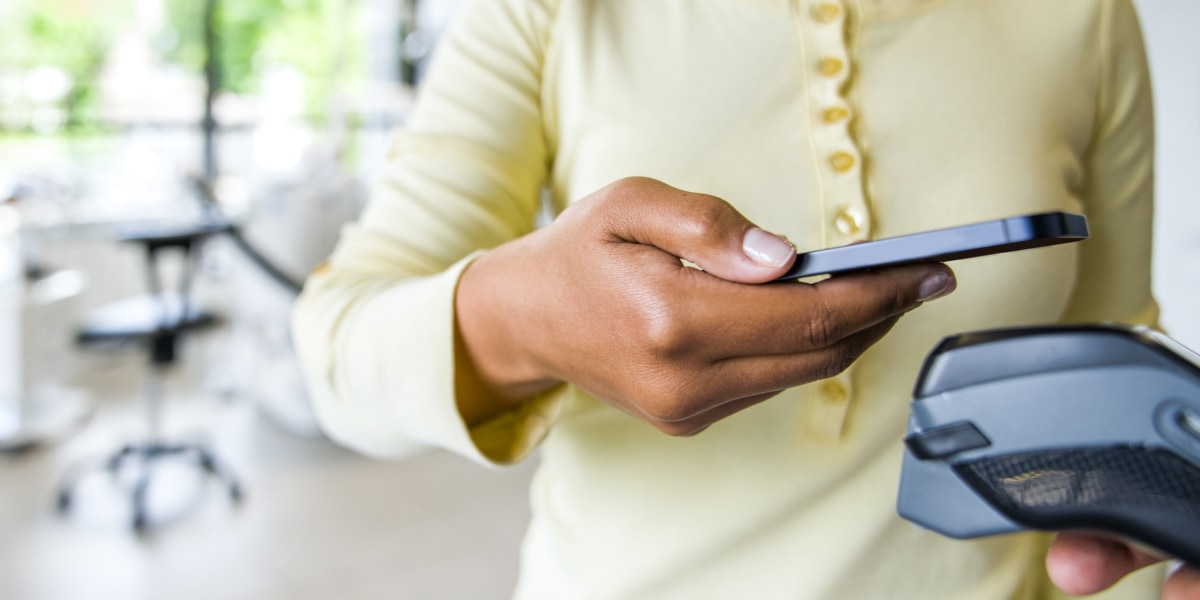
Practices still need a smooth in-office payment experience. Swipe, tap, Apple Pay, and Google Pay all make it easier to collect while the patient is already at the office and ready to pay.
After the Visit
Not every balance is resolved at checkout, which is why post-visit payment options still matter. Patient Portal payments, ePay statements, pay-by-link options, and card-on-file payments can make it easier to collect remaining balances without turning your staff into a collections team.
Why Do Connected Payment Workflows Improve Cash Flow?
Connected payment workflows give practices more opportunities to collect throughout the patient journey. Instead of relying on one checkout interaction, practices can collect before, during, and after the visit.
As a result, practices can reduce missed collection opportunities, spend less time following up on balances, and move revenue through the office faster. Patients also have more flexibility in how and when they pay, which can make the payment experience feel easier and less stressful overall.
How Does CT Pay Support Payments Across the Patient Journey?
CT Pay is built directly into ChiroTouch, allowing practices to manage payments without relying on disconnected systems or separate payment tools. Practices can support payments across multiple stages of the patient journey, including:
- In-office payments
- Remote payments
- Digital wallets
- Patient Portal payments
- Card-on-file payments
- Visibility into fees, transactions, and deposits
Because payment activity stays connected inside ChiroTouch, staff can manage collections more efficiently without jumping between systems or spending as much time following up after visits. CT Pay supports a more complete payment experience across the patient journey instead of functioning as a standalone card processor.
The Bottom Line for Chiropractic Practices
Checkout still plays an important role in the payment experience, but many practices no longer rely on the front desk alone to collect balances. Instead, payments are happening across the patient journey, giving patients more flexibility while reducing follow-up work for staff after visits.
CT Pay helps practices manage those payment interactions directly inside ChiroTouch, creating a more connected experience for both staff and patients.
See how CT Pay helps practices collect before, during, and after the visit. Get a demo.
FAQs
Why is checkout too late for some patient payments?
Because not every patient is ready or able to complete the full payment at the front desk. When practices only focus on checkout, they miss earlier and later collection opportunities.
What does it mean to collect across the patient journey?
It means creating ways for patients to pay before, during, and after the visit, using options that fit naturally into the care and billing workflow.
How do Patient Portal payments help practices collect faster?
Portal payments make it easier for patients to pay when it is convenient for them, which can reduce follow-up time and help balances get resolved sooner.
How does CT Pay help beyond checkout?
CT Pay supports in-office, portal, and follow-up payment workflows inside ChiroTouch, helping payments stay connected to the patient journey and the practice workflow.